
Understanding The 80 Grader Tool
In modern education calculator tools simplify grading for every quiz and test, turning raw scores into a clear percentage and final grade result for teachers and students with easy chart find result fast simple system
In classroom practice the calculator provides an easy and simple way to find accurate percentage and grade using a structured chart system for consistent academic evaluation results helping teachers improve grading speed daily with reliable output
What Makes An 80 Grader Different?
In digital education the grading calculator works as an online system that processes tests and quizzes quickly into accurate scores, percentage, and final grades for assessment clarity ensuring teacher efficient evaluation process each time reliable output
In modern classrooms this calculator delivers instant letter grades using built-in formulas, charts, and spreadsheet logic, ensuring accurate academic tracking across multiple assignments and exams with simple reporting for teachers and students review system works smoothly
The Role Of Automated Grade Calculators
In education systems the calculator automates grading by processing scores into percentage using formulas and digital spreadsheets, instantly displaying a structured performance chart helping institutions manage results faster and more accurately with reliable reporting system daily
An easy calculator helps educators find precise percentage and final result through automated grading and visual chart representation of student performance outcomes making assessment review simpler and consistent across classes system improves decision making process
Why Modern Educators Prefer Digital Grading Tools
Educators rely on grading systems using calculator tools because online platforms handle tests, quizzes, and exams with accurate results, reducing manual effort while improving consistency in percentage based evaluation across classrooms efficiently daily use
Modern teaching prefers free calculator solutions that deliver instantly calculated scores and letter grades, helping teachers manage large student groups with teacher-friendly dashboards, formulas, and digital spreadsheets that replace manual correction processes completely
The Science Behind 80 Grader Calculations
The calculator applies structured formulas converting scores into percentage values like 100%, 90%, and 80%, ensuring mathematical consistency in grading systems that measure student performance across standardized academic evaluation models used in schools universally
Behind computation logic the calculator processes numbers, decimals, and grade ranges using chart mapping from 0% to 100%, enabling precise academic interpretation that supports teachers in delivering fair and transparent assessment results efficiently
How Scores Are Converted Into Percentages
Every calculator converts raw scores into percentage by dividing correct answers by total questions, then multiplying results, allowing instantly visible grade outcomes that simplify grading across digital educational platforms used in modern schools
This grading process ensures accurate transformation of test performance into measurable percentage values, helping educators maintain fairness while using online tools that replace manual calculating methods and reduce human error in academic evaluation systems
Methods Used For Accurate Grade Results
Modern calculator methods rely on structured formulas, spreadsheets, and charts to ensure accurate grading, converting scores into consistent percentage outputs that reflect student performance across tests and quizzes with reliable academic precision
These grading methods use automated calculating logic to process answers, ensuring each score is evaluated correctly, while teacher-friendly systems maintain transparency and reduce errors in percentage calculation for improved academic decision-making outcomes
Faster Results Than Manual Grading
Manual grading slows classroom progress, while a calculator delivers instantly processed scores from tests and quizzes, converting raw results into percentage outcomes that help educators complete evaluation tasks with improved speed and efficiency daily workflow
Using an online grading system reduces dependency on manual checking, allowing teachers to generate grade reports faster, where formulas, charts, and automated calculating replace traditional methods and ensure quick academic feedback across all student submissions
Better Accuracy For Academic Assessments
Accuracy improves when a calculator handles grading through structured formulas that eliminate human errors in scores, ensuring each test and quiz result reflects true percentage performance across academic evaluation systems used in modern education
Automated grading systems provide accurate letter grades by processing answers consistently, reducing mistakes found in manual checking while improving reliability in academic reporting through standardized calculator methods used across schools and universities daily operations
Easy Grade Tracking For Large Classes
Large classrooms benefit from calculator tools that organize scores, tests, and quizzes into structured charts, allowing teachers to track percentage progress easily while managing multiple student records without manual calculation errors or delays in grading process
A digital grading system simplifies monitoring by displaying grade summaries instantly, helping educators manage bulk student data efficiently through automated spreadsheets, reducing workload and ensuring consistent academic evaluation across large groups of learners in classrooms
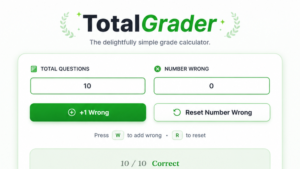
Stress-Free Score Calculation For Students
Students use calculator tools to reduce stress when checking scores, as tests and quizzes convert instantly into percentage results, giving clear grade visibility without manual effort or confusion in academic performance interpretation daily use
A simple grading system helps learners understand their results quickly, where answers are processed through automated formulas, making score calculation easier and reducing anxiety during exam evaluation periods across school and college environments
Step-By-Step Guide To Using An 80 Grader
In classroom practice a calculator guides grading process by letting teachers enter scores from tests and quizzes, producing percentage results instantly with structured steps that simplify evaluation and improve accuracy in academic workflows daily system
Teachers input quiz and test scores into calculator systems carefully by entering correct and wrong answers ensuring total number accuracy so percentage results and grades reflect true student performance without calculation errors in records data
Inputting Quiz And Test Scores Correctly
Calculator instantly shows grade and percentage results after processing scores displaying clear charts and numbers so teachers and students can understand performance outcomes without delay during academic evaluation and review sessions quickly in grading system
Instant grade view helps users interpret percentage breakdown using charts formulas and spreadsheets making academic performance easier to analyze for teachers students and administrators in digital grading environments with fast accurate reporting system online dashboard
Viewing Instant Grade And Percentage Results
Performance breakdown tables organize grading data into clear charts showing score percentage and grade results allowing teachers to compare student performance efficiently across multiple tests and quizzes in structured format for academic review system use
These tables help simplify grading by converting raw scores into percentage based results making it easier for educators to evaluate performance trends and maintain accurate academic records across classes with consistent reporting in system use
Understanding Performance Breakdown Tables
Performance breakdown tables organize grading data into clear charts showing score percentage and grade results allowing teachers to compare student performance efficiently across multiple tests and quizzes in structured format for academic review system use
These tables help simplify grading by converting raw scores into percentage based results making it easier for educators to evaluate performance trends and maintain accurate academic records across classes with consistent reporting in system use
Breaking Down The Grade Calculation Formula
In grading systems a calculator uses simple formula converting correct answers into percentage by dividing earned points by total points then multiplying by 100 ensuring accurate score representation across quizzes and tests in academic environments
This calculation method ensures every test score becomes measurable percentage allowing teachers to evaluate performance fairly while automated grading systems reduce manual effort and provide consistent academic results across multiple student assessments in digital platforms
Simple Methods For Percentage Conversion
A calculator converts scores into percentage by comparing correct answers with total questions ensuring each quiz or test result reflects accurate academic performance through standardized grading formulas used in schools universities and online learning platforms daily
These simple conversion methods allow teachers to input raw scores and instantly receive percentage values improving grading efficiency while reducing human errors and supporting consistent evaluation across assignments quizzes and exams in structured academic systems
Understanding Score-To-Grade Mapping
Score mapping systems translate percentage results into letter grades using predefined grading charts allowing calculators to display academic performance clearly for each test or quiz ensuring transparency and consistency in educational assessment across all level
This mapping process connects numeric scores with grade labels helping teachers interpret student performance quickly while automated systems maintain accuracy and eliminate confusion during evaluation of assignments quizzes and exams in structured grading environments daily use
How Letter Grades Are Determined Automatically
Letter grades are assigned automatically when calculators compare percentage results against grading scales ensuring each student receives accurate evaluation based on performance in tests quizzes and assignments without manual calculation or human interpretation errors occurring
Automated systems apply grading rules instantly converting score ranges into letter grades improving efficiency for teachers while maintaining consistency in academic reporting across classrooms and ensuring fair evaluation standards are followed in all assessments conducted
Advanced Features Of A Modern 80 Grader
Modern grading systems include calculator features like flexible grading scales, customizable percentage charts, and instant score analysis allowing teachers to manage tests and quizzes efficiently while improving accuracy in academic performance evaluation across classrooms daily
Advanced tools provide free teacher-friendly interfaces with formulas spreadsheets and automated grading functions replacing manual scoring methods ensuring fast accurate results for assignments quizzes and exams while maintaining consistency in educational assessment environments worldwide
Real-Time Grade Processing
Real-time calculator systems instantly process test and quiz scores into percentage results allowing teachers and students to view grades immediately after input improving efficiency in grading workflows and reducing waiting time during academic evaluation sessions
This instant processing system ensures accurate score conversion using automated formulas that calculate results quickly making grading faster and more reliable while supporting large-scale academic assessments across classrooms and online learning platforms without delays
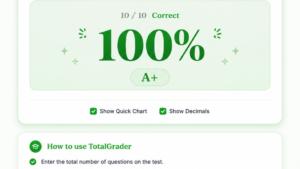
Interactive And User-Friendly Dashboard
Interactive dashboards in grading calculators display scores percentages and letter grades in clear charts helping teachers analyze student performance easily while improving usability through simple navigation tools designed for fast academic evaluation and reporting tasks
These dashboards replace traditional spreadsheets with visual grading systems allowing real-time updates of quiz and test results ensuring accuracy and transparency in academic records while enhancing overall user experience for educators and students alike
Multi-Device Compatibility
Modern calculator systems support multiple devices including laptops tablets and smartphones enabling teachers and students to access grading tools anywhere while ensuring consistent performance tracking for quizzes tests and assignments across different digital platforms efficiently
This compatibility allows seamless grade calculation across devices ensuring percentage results and scores remain synchronized helping educators manage academic records efficiently while students review performance anytime using flexible online grading systems designed for accessibility
Educational Advantages Of Using An 80 Grader
Educational systems benefit from calculator-based grading that improves grading speed and accuracy while handling tests and quizzes, converting raw scores into percentage results that support structured learning outcomes in modern academic environments efficiently
Teachers and institutions gain reliable free tools that simplify calculating performance across assignments and exams, ensuring accurate reporting of student grades through automated systems that reduce manual workload and enhance classroom productivity significantly
Enhancing Classroom Efficiency
Classroom efficiency improves when a calculator processes scores instantly from tests and quizzes, reducing manual grading time while delivering precise percentage results that help teachers focus more on instruction than repetitive evaluation tasks daily
Automated grading systems streamline workflows by replacing traditional marking methods with digital spreadsheets and formulas, enabling faster evaluation of student performance and improving overall academic management efficiency across large classroom environments effectively every session
Improving Accuracy In Student Assessments
Accuracy in student evaluation increases when a calculator handles grading using structured formulas that convert scores into exact percentage results, ensuring fair assessment of tests and quizzes across all academic performance measurements consistently
Automated systems eliminate human error by processing answers and generating precise letter grades, helping teachers maintain consistent academic standards while ensuring every student’s performance is measured fairly through reliable digital evaluation tools used globally
Supporting Transparent Grading Standards
Transparent grading systems rely on a calculator that clearly shows how scores convert into percentage and final grades, allowing students and teachers to understand evaluation methods used across tests and quizzes in education systems
This transparency ensures accurate academic reporting by using visible charts, formulas, and spreadsheets that explain grading logic, helping build trust between educators and students while maintaining consistency in evaluation standards across all learning environments
Comparing 80 Grader With Traditional Grading
Traditional grading relies on manual calculating of scores from tests and quizzes, while a calculator automates grading into instant percentage results, reducing workload and improving accuracy across academic evaluation processes in classrooms
Unlike paper-based methods, digital grading systems provide instantly generated letter grades using structured formulas, making performance tracking faster and more consistent compared to manual marking that often introduces human error in academic reporting systems
Manual Scoring Vs Smart Automation
Manual scoring requires teachers to review each answer, add points, and calculate final percentage, whereas smart calculator automation processes scores instantly, improving efficiency and reducing mistakes in evaluating tests and quizzes across classrooms
Automated grading systems replace traditional checking methods by using digital spreadsheets and formulas, ensuring accurate letter grades are produced instantly while saving time for educators handling large volumes of student academic assessments daily
Which Method Saves More Time?
A calculator based grading system saves significantly more time than manual methods by instantly converting scores into percentage results for tests and quizzes, allowing teachers to complete evaluations faster with improved workflow efficiency
Automation reduces repetitive tasks in academic scoring by eliminating manual calculations, enabling educators to process large datasets of student grades quickly while maintaining accuracy and consistency across all evaluation activities in modern classrooms today
Evaluating Reliability And Precision
Reliability improves when a calculator handles grading because it consistently applies formulas to convert scores into percentage, ensuring precise evaluation of tests and quizzes without variation caused by human error in assessment
Precision in academic reporting is achieved through automated systems that generate accurate letter grades, allowing teachers to trust results while maintaining consistency in evaluation standards across all student performance measurements in digital learning environments
Frequently Asked Questions About 80 Grader
1. What is an 80 grader used for?
An 80 grader is used to convert quiz, test, and assignment scores into percentages and letter grades automatically. It helps teachers and students quickly understand academic performance without manual calculations.
2. How does an 80 grader calculate grades?
It uses a simple formula where correct answers are divided by total questions and then multiplied by 100. The result is converted into a percentage and matched with a grading scale.
3. Can students use an 80 grader themselves?
Yes, students can use it to estimate their scores and final grades. It helps them track performance, understand weaknesses, and prepare better for upcoming exams or quizzes.
4. Is an 80 grader more accurate than manual grading?
In most cases, yes. It reduces human error in calculations and ensures consistent results by using fixed formulas, making grading more reliable and fair for all assessments.
5. Does an 80 grader support different grading systems?
Yes, many versions support custom grading scales, allowing teachers to adjust percentage ranges for letter grades according to school, district, or institutional policies.
Conclusion
80 Grader provides teachers with a fast, accurate, and efficient way to calculate student scores while reducing the burden of manual grading. By streamlining the assessment process, it helps educators save valuable time, maintain grading consistency, and focus more on student learning and classroom engagement.
As schools continue to embrace smarter educational tools, 80 Grader stands out as a reliable solution for quick and dependable grade scoring.
Disclaimer

The results and grades provided by TatolGrader.com are for informational and reference purposes only and should not be considered as official academic evaluations. We do not guarantee the accuracy, completeness, or reliability of any grading results generated on this platform. TatolGrader.com is not affiliated with any educational institution and holds no responsibility for decisions made based on the information provided. By using this site, you agree that the platform bears no liability for any errors, omissions, or outcomes resulting from your use of this service.